 Lady Routes
Food Safety & Hygiene in India: The Complete Guide for Women Travelers (Eat Smart, Stay Healthy, Miss Nothing)
FOOD & HYGIENE GUIDE FOR WOMEN TRAVELERS IN INDIA
Lady Routes
Contact: info@ladyroutes.com | WhatsApp: +91 9772170394
Let’s Be Completely Honest
The number one fear women travelers message us about before their India trip is not safety on the streets.
It is not transportation.
It is not language barriers.
It is this:
“I am terrified of getting sick from food in India.”
And we completely understand.
You’ve heard the stories.
A friend who spent three days confined to a hotel bathroom in Delhi.
A horror story online about a bad golgappa experience in Jaipur.
The endless warnings about “Delhi Belly.”
But here is what nobody tells you:
Almost every food illness case in India is preventable.
Not by avoiding street food.
Not by surviving on packaged biscuits for two weeks.
But by knowing exactly:
- What to eat
- What to avoid
- How to choose the right food stall
- How to prepare before arriving
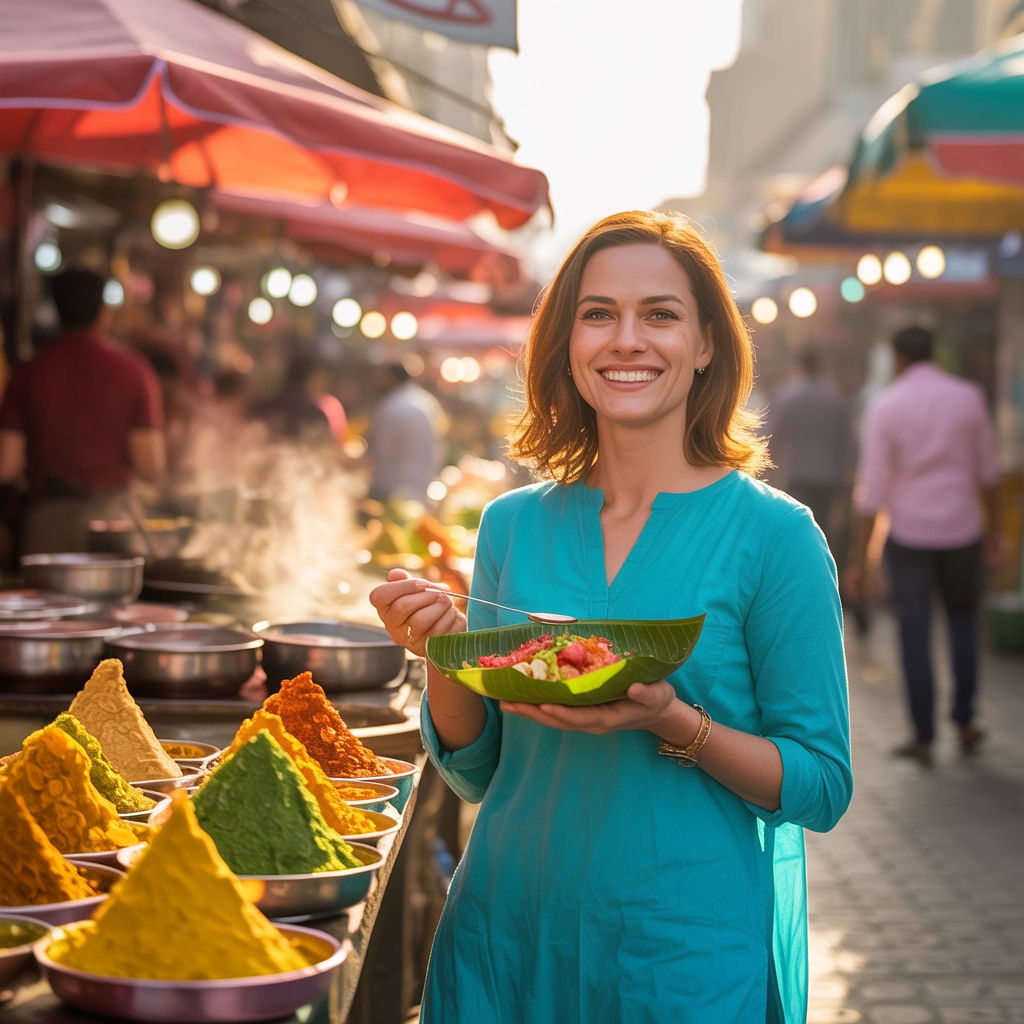
At Lady Routes, our female guides eat Jaipur street food regularly. Our travelers enjoy local food on every tour.
When they follow this guide?
- Zero problems
- Zero sick days
- 100% delicious experiences
This is that guide.
PART 1: WHY PEOPLE GET SICK IN INDIA
The Real Culprit: Water
90% of traveler illness in India is caused by water, not food.
Common causes:
- Tap water
- Ice made from tap water
- Raw salads washed in tap water
- Fresh juices blended with unsafe water
- Fruits handled with unwashed hands
- Brushing teeth with tap water
Common Causes of Traveler Illness
| Bacteria | Source | Symptoms |
|---|---|---|
| E. coli (ETEC) | Contaminated water/food | Diarrhea, cramps |
| Salmonella | Undercooked meat/eggs | Fever, vomiting |
| Shigella | Contaminated water | Severe diarrhea |
| Campylobacter | Undercooked poultry | Stomach cramps |
| Giardia | Contaminated water | Bloating, diarrhea |
Good news: all of these are preventable.
Myth: Spice Causes Food Poisoning
False.
Spice may cause:
- Temporary discomfort
- Heartburn
- Sweating
Spice does not cause:
- Food poisoning
- Bacterial infections
- Traveler’s diarrhea
A spicy curry at a clean restaurant is safer than mild salad washed in unsafe water.
Your Gut Microbiome Matters
Indian locals have lifelong exposure to local bacteria. Travelers do not.
This means:
- Your gut needs time to adjust
- Start slow
- Probiotics help significantly
PART 2: PRE-TRIP PREPARATION
1. Start Probiotics 2 Weeks Before Travel
Recommended strains:
- Lactobacillus acidophilus
- Bifidobacterium longum
- Saccharomyces boulardii
Recommended brands:
- Culturelle Travel
- Florastor
- Garden of Life RAW Probiotics
Continue probiotics daily during your trip.
2. Visit Your Doctor Before Travel
Recommended vaccines:
- Hepatitis A
- Typhoid
- Hepatitis B
- Tetanus booster
Useful medications to carry:
- Azithromycin
- Ciprofloxacin
- Ondansetron
- Imodium/Loperamide
Use antibiotics only if medically necessary.
3. Pack a Food Hygiene Kit
| Item | Purpose |
|---|---|
| Hand Sanitizer | Before every meal |
| Antibacterial Wipes | Clean surfaces |
| Probiotics | Daily gut support |
| ORS Sachets | Rehydration |
| Imodium | Emergency use |
| Antacids | Acid reflux/spice |
| Thermometer | Fever monitoring |
| Water Purification Tablets | Emergency backup |
PART 3: DAILY FOOD SAFETY RULES
Rule 1: Wash or Sanitize Hands Before Eating
Always sanitize before touching food.
In India you touch many surfaces:
- Rickshaw handles
- Money
- Railings
- Temple surfaces
Carry sanitizer everywhere.
Rule 2: Water Rules
Safe to Drink
- Sealed bottled water
- Packaged drinks
- Hot tea/chai
- Coffee
- Fresh coconut water
Use Caution
- Lassi from established shops
- Fresh lime soda
- Fresh juices only if bottled water is used
Avoid Completely
- Tap water
- Ice from street vendors
- Brushing teeth with tap water
Chai is generally safe because the water is boiled.
Rule 3: Eat Hot, Fresh, Cooked Food
Safest foods:
- Deep fried food cooked fresh
- Fresh tawa/griddle items
- Hot curries and dal
Avoid:
- Room temperature food
- Raw salads
- Cut fruit from stalls
If it is steaming hot, it is usually safe.
Rule 4: Choose the Right Food Stall
Before eating, check:
- Queue of local people
- Fresh cooking happening in front of you
- Food and money handled separately
- Clean utensils
- High turnover
If 4/5 are good, eat confidently.
Rule 5: Meat Rule
Street food: prefer vegetarian.
Safer meat options:
- Laal Maas at reputable Jaipur restaurants
- Tandoori chicken at established dhabas
- Butter chicken at famous restaurants
Avoid:
- Unknown meat skewers
- Reheated meat
- Meat sitting uncovered
PART 4: GREEN FLAGS & RED FLAGS
Green Flags
Eat here if you see:
- Local crowds
- Fresh cooking
- Hot serving
- Clean utensils
- Fast turnover
Red Flags
Avoid if you see:
- Empty stalls
- Food sitting for hours
- Flies
- Same hands touching food and cash
- Open meat at roadside stalls
PART 5: NATURALLY HYGIENIC INDIAN FOOD TRADITIONS
Banana Leaf Meals
Popular in South India.
Benefits:
- Single use
- Naturally antibacterial
- No cross contamination
Kulhad Chai (Clay Cups)
Benefits:
- Single use
- Hygienic
- Eco-friendly
Tandoor Cooking
Tandoors reach extremely high temperatures, making food safer.
Safe foods:
- Naan
- Tandoori roti
- Tandoori chicken
Indian Spices Have Natural Benefits
| Spice | Benefit |
|---|---|
| Turmeric | Antibacterial |
| Ginger | Anti-nausea |
| Garlic | Antimicrobial |
| Cinnamon | Antifungal |
| Clove | Antibacterial |
PART 6: IF YOU GET SICK
Mild Symptoms
- Rest
- ORS
- Coconut water
- Bananas and rice
- Continue probiotics
Usually improves in 24–48 hours.
Severe Symptoms
Seek medical help immediately if you have:
- High fever
- Blood in stool
- Severe vomiting
- Symptoms over 48 hours
Recommended hospitals:
- Jaipur: Fortis Escorts, SMS Hospital
- Delhi: Apollo, Max Healthcare
- Mumbai: Kokilaben Hospital
Lady Routes travelers receive emergency support assistance.
PART 7: FOOD ADJUSTMENT PLAN
Days 1–2
- Eat at clean restaurants
- Mild dishes only
- Bottled water only
- No raw foods
Days 3–4
- Try simple street food
- Drink chai
- Continue bottled water
Days 5–7
- More street food freedom
- Increase spice gradually
Day 8+
- Eat confidently
- Continue water rules
PART 8: LADY ROUTES SAFE FOOD EXPERIENCES
Village Kitchen Experience
Cook traditional Rajasthani food with local women near Jaipur.
Lady Routes Food Walk
Guided Jaipur street food walk.
- Safe stalls only
- Local experts
- Best first-time experience
Haveli Rooftop Dinner
Traditional Rajasthani thali in a heritage haveli.
Chai & Conversation Experience
Visit Jaipur’s iconic chai stalls with our guides.
Quick Food Safety Cheat Sheet
- Drink bottled water only
- Eat hot, fresh food
- Sanitize before meals
- Avoid street meat
- Avoid ice
- Avoid raw street salads
- Drink chai freely
- Take probiotics daily
Useful Hindi:
- Bina baraf ke = Without ice
- Abhi banao = Make fresh
- Thoda kam mirch = Less spicy
- Saaf paani = Clean water
Final Words
India’s food is not a risk to fear.
It is an experience to embrace.
Prepare well, eat wisely, and enjoy one of the world’s greatest food cultures.
Once you’ve had a perfect kachori in Jaipur, a sweet lassi by the Ganga, or a royal thali in Rajasthan, you’ll understand why travelers return again and again.
Eat India with courage. Eat India with wisdom. Eat India with Lady Routes.
Lady Routes
Extraordinary Travel for Women
Contact: info@ladyroutes.com
WhatsApp: +91 9772170394
Website: www.ladyroutes.com